EN
Getting more oil out of seeds than pressing alone can deliver—that’s the practical appeal of solvent extraction. The chemistry is straightforward: a solvent dissolves what mechanical force leaves behind. But running these systems well means balancing yield against safety, cost, and environmental responsibility. Having worked through the details of design, operation, and compliance, the process reveals itself as both technically demanding and economically compelling when executed properly.
Oilseed solvent extraction recovers oil from seeds like soybeans, sunflower seeds, and rapeseed by exploiting a basic chemical principle: similar substances dissolve each other. Hexane, the industry standard solvent, pulls oil from prepared seed flakes far more completely than any press can manage.
The sequence matters. Seeds first go through cleaning, dehulling, and flaking—steps that expose more surface area for the solvent to reach. These prepared flakes enter an extractor where hexane washes over them repeatedly. The oil dissolves into the solvent, creating what’s called miscella. From there, the process splits into parallel tracks.
The miscella gets heated to evaporate the hexane, leaving crude oil behind. Meanwhile, the defatted meal—still carrying residual solvent—goes through desolventization, typically with steam, producing high-protein meal suitable for animal feed. The evaporated hexane from both streams gets condensed and recycled. This closed loop keeps operating costs manageable and prevents solvent from escaping into the atmosphere.
For seeds with lower oil content, or when squeezing out every possible percentage point of yield matters, hexane extraction outperforms mechanical methods decisively. The approach integrates naturally into broader oilseed processing systems that handle everything from storage through refining.
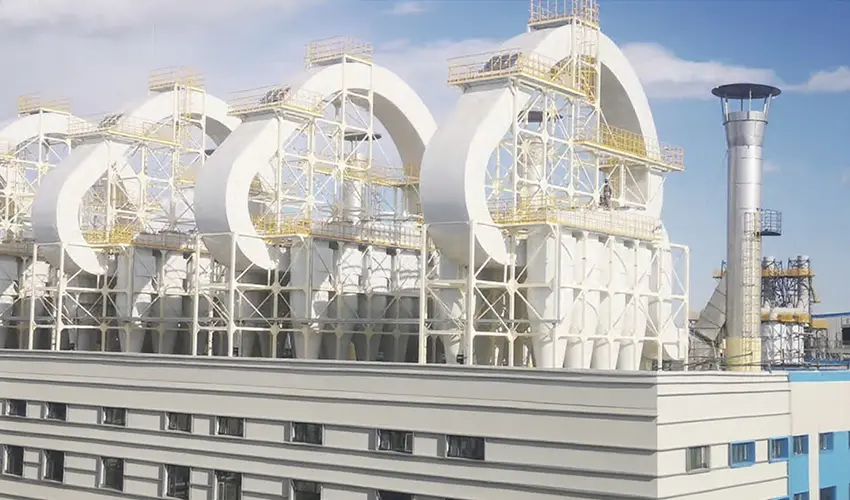
A solvent extraction plant chains together specialized equipment, each piece solving a specific problem in the overall process. Preparation starts with flaking mills and cookers that condition seeds for optimal solvent contact. The extractor itself—the central piece—comes in several configurations depending on throughput needs and seed characteristics.
Basket extractors work well for certain applications. Horizontal belt extractors handle high volumes efficiently. Counter-current designs maximize contact between solvent and flakes. Each type trades off differently between capacity, extraction completeness, and mechanical complexity.
After extraction, the desolventizer toaster dryer cooler handles the meal. This equipment removes residual hexane, toasts the meal to improve its nutritional profile, then dries and cools it for storage. The solvent recovery system runs parallel, condensing hexane vapor from both the oil and meal processing streams for reuse.
Solvent loss costs money and creates environmental problems, so recovery efficiency directly affects profitability. Modern plants achieve recovery rates that keep hexane consumption to small makeup quantities rather than continuous replacement.
The equipment selection process benefits from integrated thinking—considering how each component affects downstream operations rather than optimizing pieces in isolation. Plants designed this way run more smoothly and require less troubleshooting during operation.
!Corn Starch
## Safety and Environmental Requirements
Hexane burns. That single fact shapes nearly every safety decision in solvent extraction plants. The solvent’s flammability and toxicity demand serious attention to hazard control, not as regulatory box-checking but as operational necessity.
Fire and explosion hazards from hexane vapor represent the primary concerns. Solvent leaks create both safety and environmental problems. Personnel exposure requires monitoring and control. These aren’t theoretical risks—they’re the practical challenges that plant operators face daily.
Effective mitigation starts with equipment design: explosion-proof electrical systems, proper ventilation to prevent vapor accumulation, continuous monitoring of solvent concentrations. Emergency response planning matters too. When something goes wrong, having practiced procedures makes the difference between a contained incident and a serious accident.
ATEX compliance provides a framework for European operations, but the underlying principles apply universally. Identifying ignition sources, controlling vapor concentrations, and maintaining equipment integrity form the foundation of safe operation regardless of regulatory jurisdiction.
Air emissions top the environmental concern list. Volatile organic compounds from solvent evaporation face regulatory limits in most jurisdictions. Wastewater discharge and hazardous waste management add additional compliance requirements.
Meeting these standards requires investment in solvent recovery systems that actually work, not just equipment that looks adequate on paper. Wastewater treatment must achieve discharge limits consistently, not just during testing periods. Spent solvents and other waste materials need proper disposal pathways.
Some operations are exploring green solvent alternatives that might reduce both safety risks and environmental impact. These alternatives haven’t displaced hexane in mainstream applications yet, but the research continues.
If you’re interested, check 《Driving Global Food Conservation Through Technological Innovation》.
Performance optimization in oilseed solvent extraction balances three factors: extraction efficiency, product quality, and cost management. Getting the balance right determines whether a plant operates profitably or struggles.
Extraction efficiency depends on process control. Solvent-to-flake ratios, temperatures, and contact times all affect how much oil ends up in the miscella versus staying in the meal. Small improvements in these parameters compound over time into significant yield differences. Equipment maintenance matters too—worn components reduce efficiency gradually, often without obvious symptoms until performance has degraded substantially.
Quality control covers both outputs. Crude oil needs to meet specifications for downstream refining. Meal protein content and residual solvent levels affect its value as animal feed. Monitoring these parameters continuously catches problems before they affect large production volumes.
The cost-benefit calculation for solvent extraction versus mechanical pressing looks different depending on scale and seed type. Initial capital costs run higher for solvent extraction. Operating costs include solvent makeup, energy for heating and cooling, and more complex maintenance requirements. But the yield advantage—recovering 95-99% of available oil versus 70-85% with pressing—often justifies the investment for large-scale operations.
| Feature | Solvent Extraction | Mechanical Pressing |
|---|---|---|
| Oil Recovery | 95-99% | 70-85% |
| Residual Oil in Meal | <1% | 5-10% |
| Capital Cost | Higher | Lower |
| Operating Cost | Moderate (solvent recovery) | Lower (energy for pressing) |
| Product Quality | High-purity oil, low-fat meal | Crude oil, higher fat meal |
| Scalability | Large-scale industrial operations | Small to medium-scale operations |
The numbers explain why solvent extraction dominates large-scale oilseed processing despite its complexity.
The industry isn’t standing still. Pressure for better efficiency, reduced environmental impact, and broader product applications drives ongoing development in several directions.
Alternative solvents for oil extraction attract research attention. Bio-based options and less volatile compounds might eventually offer safety and environmental advantages over hexane. None have achieved commercial viability at scale yet, but the work continues.
Supercritical CO2 extraction represents a more radical departure. Using carbon dioxide under high pressure and temperature eliminates the need for organic solvents entirely. The resulting oil and meal quality can be excellent. Cost remains the barrier—the equipment and operating expenses exceed conventional extraction for most applications. High-value specialty oils might justify the premium, creating a niche where this technology makes economic sense.
Artificial intelligence applications in oilseed processing are moving from concept to implementation. Process optimization, predictive maintenance, and quality control all benefit from machine learning approaches that identify patterns humans might miss. Plants that adopt these tools effectively gain operational advantages that compound over time.
Sustainable oilseed extraction innovations will likely combine several of these trends—better solvents, smarter process control, and tighter integration with upstream and downstream operations. The direction is clear even if the specific technologies that win out remain uncertain.
Agrifam Co., Ltd. provides integrated oilseed extraction solutions covering consulting, design, manufacturing, installation, and ongoing support. The approach emphasizes practical results: safer operations, higher efficiency, and sustainable production methods.
Contact specialists at 010-8591 2286 or email bjhn@agrifamgroup.com to discuss specific project requirements and how advanced extraction technologies might improve your operations.
Hexane vapor ignites easily and can explode when mixed with air in the right concentrations. Personnel exposure also poses health risks with repeated contact. Plants manage these hazards through explosion-proof electrical equipment, ventilation systems that prevent vapor accumulation, continuous atmospheric monitoring, and emergency response procedures. The key is treating these precautions as operational fundamentals rather than regulatory requirements to satisfy.
Mechanical pressing physically squeezes oil from seeds, but cell structures trap a portion that pressure alone can’t release. Hexane dissolves oil at the molecular level, reaching material that pressing leaves behind. The difference shows up clearly in residual oil content: pressed meal typically contains 5-10% oil, while solvent-extracted meal contains less than 1%. For large operations processing thousands of tons, that difference translates into substantial additional revenue.
Air emission permits address volatile organic compound releases from solvent evaporation. Wastewater discharge permits cover any process water that leaves the facility. Hazardous waste regulations apply to spent solvents and contaminated materials. Specific requirements vary by jurisdiction, but the common thread is demonstrating that solvent recovery systems actually minimize emissions, that wastewater treatment achieves discharge limits, and that waste disposal follows approved pathways. Compliance isn’t just about having the right equipment—it’s about operating that equipment effectively and documenting the results.







bjhn@agrifamgroup.com