EN
Plant proteins have always been tricky. Raw soybeans and grains contain compounds that limit how much nutrition actually reaches the gut. Fermentation changes that equation. By letting microorganisms do the heavy lifting, processors can break down those barriers and unlock protein forms that the body absorbs more readily. The global push for sustainable protein sources has made this approach increasingly relevant, and companies like Agrifam Co., Ltd. are building the infrastructure to make it happen at scale.
Fermentation relies on microorganisms to restructure complex plant proteins into forms that are easier to digest and more functional in food applications. The process works because enzymes produced by bacteria and fungi target anti-nutritional factors—compounds like phytates and trypsin inhibitors that interfere with protein absorption. Breaking these down improves bioavailability significantly.
The transformation also changes the protein itself. Enzymatic hydrolysis cleaves large protein molecules into smaller peptides, increasing solubility and altering the amino acid profile in ways that benefit end users. Some of these peptides have shown bioactive properties in research settings, though applications vary.
Industrial fermentation follows a predictable sequence. Raw materials go through cleaning and grinding first. Hydration creates a substrate that microorganisms can colonize. Sterilization eliminates competing organisms before inoculation with selected cultures. The actual fermentation happens in bioreactors under controlled conditions. Downstream processing—separation, purification, drying—yields the final fermented protein product. Each step matters for consistency and yield.
The choice of microbial strain shapes everything about the final product. Different bacteria and fungi bring different enzymatic toolkits to the process. Some excel at breaking down cell walls. Others target specific protein structures more effectively.
Research on Lactobacillus species has shown digestibility improvements of up to 15% compared to unfermented substrates. That kind of gain comes from careful strain optimization, which might involve genetic engineering or adaptive evolution techniques that push microorganisms toward higher performance under production conditions. The goal is always the same: better conversion rates and stronger nutritional profiles in the finished fermented protein.
Running a fermented protein facility requires coordinated systems working together. Bioreactors provide the controlled environment where fermentation actually happens. Downstream processing units handle separation and purification. Automation ties everything together and keeps parameters within acceptable ranges.
Agrifam’s approach covers the full plant lifecycle—design, civil engineering, manufacturing, installation, and commissioning. This integration matters because fermentation plants are complex, and gaps between project phases create problems.
Process control systems monitor temperature, pH, dissolved oxygen, and other variables in real time. Deviations trigger adjustments before they affect product quality. Energy consumption receives attention throughout, since fermentation operations can be power-intensive. Quality control checkpoints run from raw material inspection through final product analysis.
Bioreactors come in several configurations, each suited to different production needs. Stirred-tank designs are common and well-understood. Airlift systems reduce shear stress on sensitive cultures. Packed-bed reactors work well for certain immobilized-cell applications.
Continuous fermentation offers productivity advantages over batch processing, though it demands more sophisticated control systems. Aseptic design prevents contamination—a constant concern when working with living organisms. Temperature, pH, and oxygen controls maintain the conditions that keep microbial activity and protein synthesis on track. Getting these systems right determines whether a fermented protein plant meets its production targets.
The plant-based protein market continues to expand, driven by consumer interest in health and environmental sustainability. Fermented proteins occupy a particular niche within this market because they offer functional and nutritional advantages that command premium pricing.
Agrifam provides financial support and consulting services to help potential investors understand what they’re getting into. Cost-benefit analyses for fermentation projects reveal the ROI potential, though outcomes depend heavily on execution. These investments also contribute to food security by diversifying protein supplies beyond traditional animal agriculture.
Fermented protein production can outperform traditional methods on several economic measures. Enhanced digestibility translates to higher product value in markets that care about bioavailability. Resource utilization improves because fermentation can work with substrates that would otherwise be waste streams.
Operational costs often drop compared to conventional protein isolation techniques. Optimized processes have demonstrated energy consumption reductions of 25% in documented cases. By-product utilization can reach 100% in well-designed facilities, turning potential waste into revenue. These factors combine to create competitive advantages in crowded protein markets.
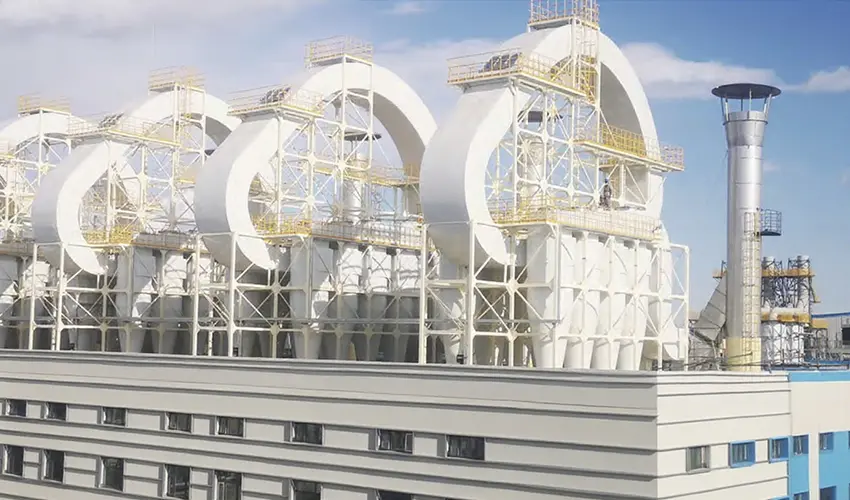
Protein production operates under strict regulatory frameworks, and fermentation adds complexity because it involves living organisms. HACCP protocols form the foundation of food safety management in these facilities. Traceability systems track materials from receipt through processing to shipment.
Agrifam builds these requirements into plant design from the beginning rather than retrofitting them later. Environmental impact receives attention alongside food safety, since fermentation operations generate effluents and emissions that require management.
Quality assurance at Agrifam starts with raw material screening and continues through every production stage. International food safety standards and certifications set the baseline. Advanced monitoring systems catch contamination early, before it affects product integrity.
Personnel training matters as much as equipment. Operators need to understand both the biology of fermentation and the safety protocols that protect consumers. Continuous training programs keep everyone current on best practices and regulatory changes.
Building a fermented protein plant involves coordinating multiple disciplines over extended timelines. Agrifam’s one-stop service model handles everything from initial financial consultation through design, civil engineering, manufacturing, installation, commissioning, and subsequent upgrades.
This integrated approach reduces the coordination problems that plague projects split among multiple contractors. A single point of responsibility for engineering, procurement, and construction (EPC) simplifies accountability. Turnkey solutions get facilities operational faster and with fewer surprises.
Fermented protein plant development generally spans 2-4 years from concept to operation. Planning and design take 6-12 months, covering feasibility studies, detailed engineering, and regulatory approvals. Equipment procurement and manufacturing run 8-16 months, depending on complexity and supply chain conditions.
Civil engineering and construction typically require 12-24 months. Installation and commissioning add another 3-6 months at the end. These timelines assume reasonable project management and no major disruptions. Actual durations vary based on site conditions, regulatory environments, and project scope.
Circular economy principles are reshaping how fermented protein facilities think about inputs and outputs. Waste valorization—converting by-products into valuable materials—is becoming standard practice rather than an afterthought. Artificial intelligence applications are emerging for process optimization and yield prediction, though adoption remains uneven across the industry.
Agrifam’s focus on energy conservation, environmental protection, and intelligent efficiency reflects these trends. Next-generation plant proteins with improved nutritional and functional properties are under development across the sector. The sustainable protein market will likely absorb these innovations as they mature.
Fermented protein production reduces costs through better resource utilization. The process typically requires less energy and water than conventional protein extraction. Fermented proteins also command higher market prices because of their improved digestibility and bioavailability, which increases profitability for producers who can meet quality standards.
Agrifam implements international food safety standards including HACCP protocols throughout plant operations. Quality assurance involves advanced monitoring systems, comprehensive testing at multiple production stages, and full traceability from raw materials to finished products. Personnel training reinforces these systems.
Most projects take 2-4 years total. Design and feasibility work occupy the first 6-12 months. Procurement and construction run 12-24 months depending on project complexity. Commissioning—equipment testing and operational validation—typically requires 3-6 months before full production begins.
Agrifam customizes fermented protein plant solutions for various feedstocks. Engineering teams adjust fermentation parameters and equipment configurations to match specific raw materials, whether the focus is soybean protein production or processing different grains. This flexibility helps maximize efficiency for each application.
Unlock the future of sustainable protein with Agrifam Co., Ltd. Partner with us to design, build, and optimize your state-of-the-art fermented soybean and grain-based protein production plant. Leverage our comprehensive “from-farm-to-table” expertise and one-stop service, from financial consultation to commissioning and upgrading, to achieve unparalleled efficiency and market leadership. Contact Agrifam today to discuss your project and elevate your agricultural and animal husbandry industry chain. Email us at bjhn@agrifamgroup.com or call 010-8591 2286.






bjhn@agrifamgroup.com