EN
The poultry industry has reached a point where scattered approaches to farm development no longer hold up against what the market actually demands. Safer food, healthier birds, tighter margins, stricter regulations. Building a modern broiler or layer operation now means thinking through every system at once, not bolting pieces together after the fact. That shift has pushed more investors toward turnkey EPC solutions, where a single provider handles engineering, procurement, and construction as one coordinated effort. Agrifam Co., Ltd. works within this model, delivering integrated projects that connect farm design to final product quality.
The poultry sector faces pressure from multiple directions simultaneously. Rising global protein demand, tightening environmental standards, and consumer expectations around food safety have made fragmented project management increasingly risky. Traditional approaches often involve separate contractors for design, equipment supply, and construction. Coordination gaps between these parties create delays, cost overruns, and technical mismatches that compound over the life of a farm.
EPC solutions address this by consolidating responsibility. A single provider manages the entire project lifecycle, from feasibility assessment through commissioning. This structure reduces finger-pointing when problems arise and allows technical decisions to flow from a unified vision rather than competing priorities.
For poultry operations specifically, integration matters because the systems interact constantly. Ventilation affects feed conversion. Housing design influences biosecurity. Waste handling shapes environmental compliance. When these elements come from different suppliers working to different specifications, the farm operates below its potential from day one.
Agrifam’s approach treats sustainable poultry production and energy conservation poultry as design constraints rather than afterthoughts. Environmental protection farming considerations get built into site selection, housing orientation, and equipment specification. The result is a facility that meets current standards while remaining adaptable as regulations evolve.
A turnkey poultry EPC project delivers an operational farm, not just buildings and equipment. The distinction matters because the handoff point determines who carries risk during the critical startup phase. True turnkey delivery means the provider remains accountable until the farm produces at specified capacity.
| Phase | Scope |
|---|---|
| Feasibility & Planning | Site assessment, regulatory review, financial modeling, production targets |
| Engineering & Design | Poultry house design, biosecurity measures poultry, ventilation systems poultry, utility infrastructure |
| Procurement | Equipment sourcing, material logistics, quality verification |
| Construction | Civil works, structural assembly, system installation |
| Commissioning | Testing, calibration, staff training, performance verification |
| Post-Delivery Support | Maintenance protocols, operational optimization, upgrade pathways |
Each phase feeds the next. Design decisions constrain procurement options. Construction quality determines commissioning timelines. Agrifam maintains continuity across these transitions, preventing the information loss that occurs when projects change hands between phases.
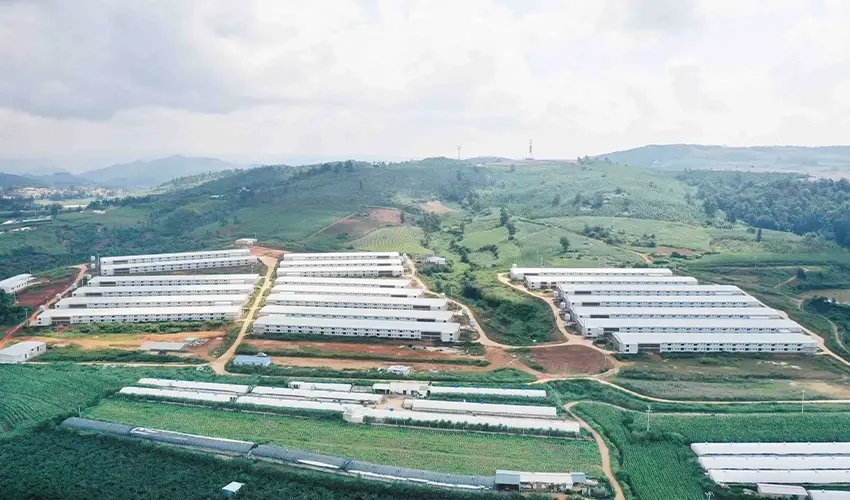
Effective poultry house design starts with understanding how birds, workers, and equipment will actually move through the space. Theoretical layouts often fail when confronted with daily operations. Feed trucks need access routes. Mortality removal requires discrete pathways. Inspection rounds should flow logically without backtracking.
Agrifam’s engineering process incorporates biosecurity measures poultry from the earliest sketches. Separation between clean and dirty zones gets established in site planning, not retrofitted after construction. Ventilation systems poultry receive attention proportional to their impact on bird health and energy costs. Climate control design accounts for local weather patterns, not just generic specifications.
Farm layout optimization extends beyond individual buildings. The relationship between broiler houses, feed storage, processing areas, and waste treatment facilities affects daily efficiency and long-term expansion options. Getting these spatial relationships right at the outset prevents costly modifications later.
Broiler and layer operations have different equipment requirements despite superficial similarities. Broiler cage system configurations prioritize rapid growth and efficient harvesting. Layer cage system designs emphasize sustained production over longer bird lifespans, with different considerations for egg collection and bird welfare.
Agrifam supplies both categories, matching equipment specifications to production goals. Automated feeding systems reduce labor requirements while improving feed conversion ratios. Environmental control poultry systems maintain temperature and humidity within optimal ranges, responding to sensor data rather than fixed schedules. Smart farming technology integration allows remote monitoring and intervention, catching problems before they escalate.
| Feature | Broiler Equipment | Layer Equipment |
|---|---|---|
| Primary goal | Rapid weight gain | Sustained egg production |
| Cage configuration | Optimized for density and harvest access | Designed for long-term comfort and egg collection |
| Feeding precision | High-volume delivery | Calibrated for laying cycle stages |
| Environmental sensitivity | Critical during growth phases | Important throughout extended production period |
The equipment manufacturing process matters as much as specifications. Agrifam’s production facilities maintain quality standards that translate into reliable field performance. Equipment that fails prematurely or requires constant adjustment undermines the efficiency gains that justified the investment.
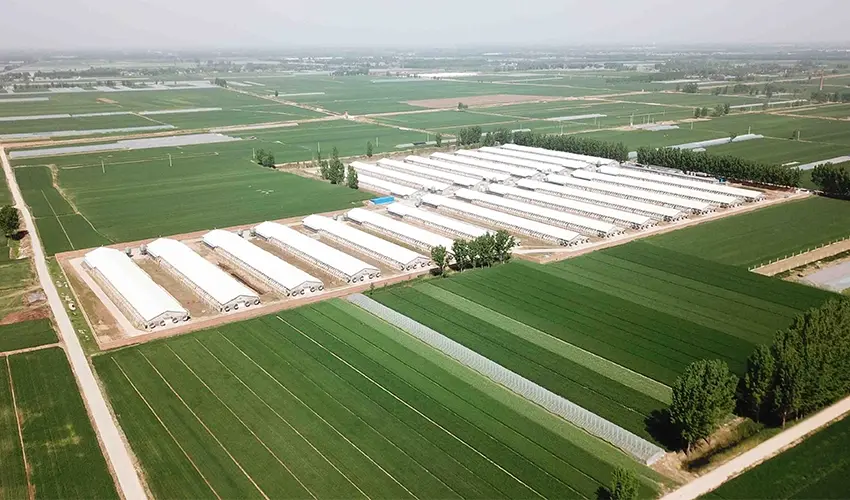
Building a productive poultry operation requires sequential decisions that build on each other. Rushing early stages creates problems that persist throughout the farm’s operational life.
Site selection and preparation establishes the foundation. Drainage patterns, utility access, prevailing winds, and distance from other poultry operations all influence long-term viability. Sites that look adequate on paper sometimes reveal problems during construction or early operations.
Housing structure decisions balance initial cost against operational efficiency. Broiler house construction and layer farm planning involve different tradeoffs. Insulation quality affects energy costs for years. Structural durability determines maintenance requirements. Material choices influence biosecurity and cleaning protocols.
Ventilation and climate control deserve more attention than they typically receive. Birds perform within narrow environmental ranges. Ventilation systems poultry that maintain optimal conditions consistently outperform those that merely prevent extreme conditions. The difference shows up in feed conversion, mortality rates, and final product quality.
Feeding and water systems represent ongoing operational costs. Automated poultry feeding systems reduce labor while improving precision. Water management poultry affects both bird health and environmental compliance. Efficient delivery minimizes waste. Recycling systems reduce consumption and discharge volumes.
Waste management has evolved from disposal problem to potential revenue stream. Poultry waste management systems that convert manure to organic fertilizer create value while addressing environmental requirements. The economics depend on local markets and regulatory frameworks, but the technical options have expanded significantly.
Biosecurity integration prevents the catastrophic losses that disease outbreaks cause. Biosecurity measures poultry work best when designed into facility layout rather than added through operational procedures alone. Physical separation, controlled access points, and cleaning protocols all contribute.
Automation and monitoring capabilities determine how quickly problems get identified and addressed. Smart farming technology provides continuous visibility into environmental conditions, feed consumption, and bird behavior. Early detection of anomalies allows intervention before minor issues become major losses.
Disease prevention combines facility design, operational protocols, and veterinary support. Disease prevention poultry vaccines provide baseline protection. Facility design limits pathogen transmission. Operational procedures maintain the barriers that design establishes.
Energy efficiency affects both operating costs and environmental footprint. Renewable energy integration, efficient equipment selection, and intelligent control systems all contribute. The payback periods for energy investments have shortened as technology improves and energy costs rise.
Chinese EPC providers have built substantial capabilities in poultry farm development over the past two decades. The combination of manufacturing scale, engineering experience, and competitive pricing creates opportunities for investors worldwide.
Cost-effective poultry solutions emerge from manufacturing efficiency rather than quality compromises. Chinese equipment manufacturers produce at volumes that support specialization and continuous improvement. The resulting products often match or exceed alternatives from other regions while costing significantly less.
Poultry technology innovation has accelerated as Chinese companies invest in research and development. Automation systems, environmental controls, and monitoring technologies developed for the domestic market now compete globally. The scale of Chinese poultry production provides testing environments that smaller markets cannot match.
Turnkey project management China capabilities have matured through extensive domestic and international experience. Chinese EPC providers have delivered projects across Asia, Africa, and other regions, adapting to different regulatory environments and local conditions. This experience base reduces execution risk for new projects.
Agrifam’s service model covers the full project lifecycle. Financial support agriculture assistance helps structure viable investments. Consulting services address technical and regulatory questions. Civil engineering poultry expertise handles site development. Poultry equipment manufacturing ensures supply chain control. Installation and commissioning poultry services deliver operational facilities. Subsequent upgrading services extend facility lifespans and capabilities.
The global poultry market trends favor integrated providers who can deliver complete solutions. Investors increasingly prefer single-source accountability over managing multiple contractors. Chinese EPC providers have positioned themselves to meet this preference.
Long-term profitability in poultry operations requires sustainable practices. The connection runs deeper than regulatory compliance or marketing claims. Sustainable approaches often reduce costs, improve productivity, and create resilience against market disruptions.
Feed conversion optimization represents the largest opportunity for most operations. Feed accounts for the majority of production costs. Small improvements in conversion ratios compound into significant savings over time. Precision feeding, environmental control, and health management all contribute to better conversion.
Poultry health management prevents the losses that disease and mortality cause. Robust biosecurity, appropriate vaccination, and early intervention protocols protect investments. Healthy birds convert feed more efficiently and produce higher-quality products.
Waste management can shift from cost center to revenue source. Poultry waste management systems that produce organic fertilizer create value from materials that otherwise require disposal. The economics vary by location, but the technical capabilities exist to capture this value.
Water management poultry practices affect both costs and environmental compliance. Efficient delivery systems reduce consumption. Recycling reduces both intake requirements and discharge volumes. These improvements often pay back quickly while reducing regulatory exposure.
Market analysis poultry insights guide production decisions. Understanding demand patterns, pricing trends, and competitive dynamics allows operations to optimize their product mix and timing. This market intelligence becomes more valuable as operations scale.
Agrifam’s EPC solutions integrate these elements from project inception. ROI poultry project analysis considers both initial investment and ongoing operational economics. The goal is facilities that remain competitive and compliant throughout their operational lives.
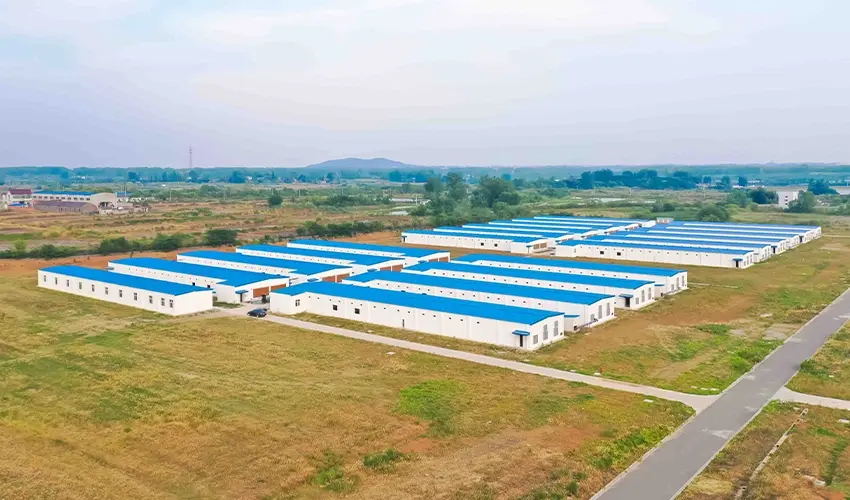
Agrifam Co., Ltd. brings integrated capabilities to poultry farm development. The company’s approach connects initial planning through ongoing operations, maintaining continuity that fragmented project delivery cannot match.
The service model addresses the full range of client needs. Some investors arrive with detailed specifications and need execution support. Others require guidance from the earliest feasibility questions. Agrifam’s team adapts to different starting points while maintaining the integrated approach that delivers results.
Manufacturing capabilities ensure equipment quality and supply chain reliability. Design expertise translates operational requirements into buildable specifications. Construction management delivers facilities that match design intent. Commissioning services verify performance before handoff. Ongoing support maintains and improves operations over time.
For investors considering poultry farm development, the choice of EPC provider shapes outcomes for years. The right partner brings technical capabilities, project experience, and commitment to client success. Agrifam’s track record demonstrates these qualities across diverse project types and locations.
Contact information: 010-8591 2286 or bjhn@agrifamgroup.com
Project timelines depend heavily on scale and complexity. A small to medium broiler or layer farm typically requires 12 to 18 months from initial design through commissioning. Larger operations with more sophisticated systems may extend to 24 to 36 months. Site conditions, permitting requirements, and equipment lead times all influence schedules. Agrifam develops detailed project timelines during the planning phase, identifying critical path activities and potential bottlenecks before they cause delays.
Feed conversion efficiency drives profitability more than any other single factor because feed represents the largest ongoing cost. Beyond conversion, mortality rates, energy costs, labor efficiency, and product pricing all contribute. Facility design affects most of these factors. Well-designed ventilation systems improve conversion and reduce mortality. Automation reduces labor requirements. Energy-efficient equipment lowers utility costs. Agrifam’s turnkey solutions address these factors systematically, building profitability into facility design rather than hoping operations will compensate for design limitations.
Large poultry projects typically require structured financing that matches cash flows to investment timing. Options include project loans from commercial banks, development finance from international institutions, government agricultural subsidies, and equipment leasing arrangements. The optimal structure depends on project specifics, investor circumstances, and local financial markets. Agrifam’s financial consulting services help clients evaluate options and structure financing that supports project success. This assistance covers both identifying potential funding sources and preparing the documentation that lenders require.






bjhn@agrifamgroup.com